Think a cultural center is just for art? Let’s bust that myth!

Think a cultural center is just for art? Let’s bust that myth!
Cultural centers have become focal points in our communities, often seen as mere galleries showcasing art. However, this perception fails to capture the true essence of what cultural centers offer. Let’s take a deeper look into the many layers of cultural centers and the diverse experiences they provide beyond the traditional art scene.
Community Engagement and Connection
One of the most vital roles of a cultural center is fostering community engagement. These spaces act as gathering points where individuals from diverse backgrounds can come together. Through workshops, community forums, and social events, cultural centers encourage dialogue among residents.
Many cultural centers host programs that celebrate multiculturalism, bringing a wide array of traditions to the forefront. This not only educates residents but also cultivates a sense of unity and understanding that strengthens community ties.
Education and Lifelong Learning
Cultural centers serve as learning hubs, offering a range of educational programs targeting all age groups. From language classes to cooking workshops, the opportunities for personal development are vast. These programs often focus on local history, enabling participants to gain a deeper appreciation for their cultural heritage.
For children and young adults, cultural centers frequently organize after-school programs that combine fun and education. This can include everything from science and technology camps to storytelling sessions that inspire creativity and critical thinking.
Health and Wellness Initiatives
Health initiatives are another essential component of many cultural centers. They may offer wellness workshops focusing on physical and mental health, promoting holistic well-being within the community. These initiatives might include yoga classes, nutritional seminars, and mental health support groups.
Moreover, cultural centers can serve as platforms for public health awareness campaigns, addressing prevalent issues such as diabetes and substance abuse. By providing access to resources and expert guidance, they play a significant role in enhancing community health.
Support for Local Artists and Entrepreneurs
Far from merely showcasing established artists, cultural centers often nurture local talent. They provide invaluable resources such as studio space and exhibition opportunities for emerging artists. When local creators are supported, they can flourish and bring new life to the community’s cultural landscape.
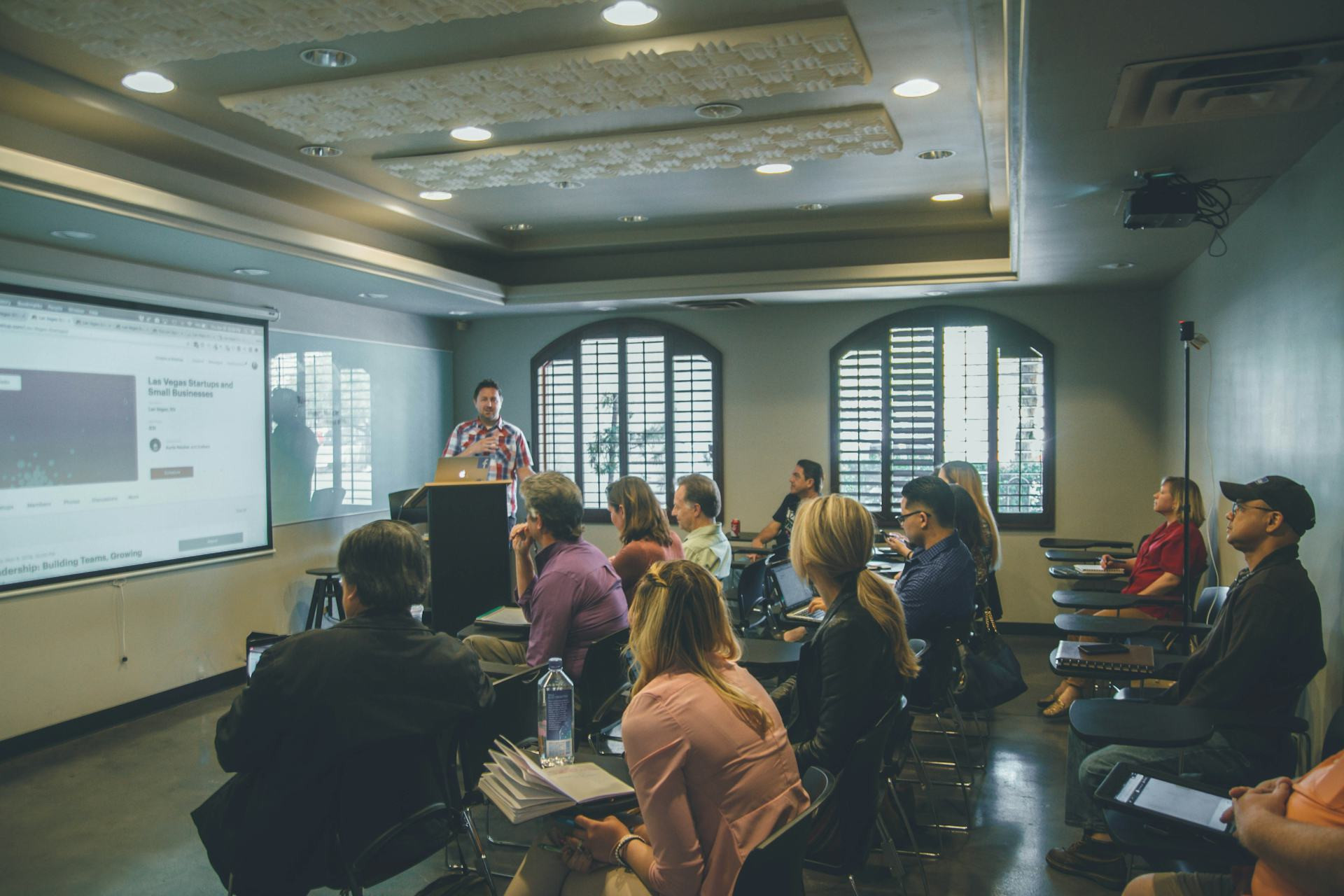
Additionally, many cultural centers host entrepreneurship programs that help local businesses launch and grow. By providing workshops on marketing, finance, and business planning, they empower individuals to turn their passions into sustainable ventures.
Performance and Entertainment Venues
Many cultural centers house performance spaces that host a variety of events, from theater productions and dance recitals to music concerts. These performances create opportunities for local talent to showcase their work while entertaining community members.
Events like open mic nights or film screenings foster a vibrant cultural scene, making these centers essential parts of local entertainment. They offer unique experiences that cater to varied interests, ensuring that there’s something for everyone.
Resource Centers and Libraries
In todays digital age, cultural centers may also function as resource centers, providing access to technology, books, and online databases. This can be particularly beneficial for those who cannot afford personal computers or internet access at home.
Many cultural centers host libraries or information centers where community members can seek assistance on various topics. Whether its resume building, job searches, or government services, these resources can be invaluable for personal and professional development.
Promoting Sustainable Practices
In recent years, many cultural centers have also taken on the important role of promoting sustainability. They might organize workshops on environmental stewardship, teaching community members about recycling, sustainable gardening, and eco-friendly practices.
By making sustainability a focus, cultural centers can inspire individuals to make more conscious choices in their daily lives. This not only benefits the community but also contributes to a broader movement towards environmental responsibility.
Cultural centers are multidimensional spaces that go far beyond art exhibitions. They play a crucial role in community building, education, health, local economy, entertainment, resource sharing, and promoting sustainable practices. By understanding their full potential, community members can take advantage of the many offerings that enrich their lives and foster a deeper connection within their neighborhoods.