People and Machines in the Warehouse: Collaboration in Practice

People and Machines in the Warehouse: Collaboration in Practice
Robots, sensors, and automated systems have become a familiar sight in Australian warehouses. But rather than replacing people, these technologies are increasingly working alongside them. The interaction between humans and machines has become a cornerstone of modern logistics – one that demands both technological understanding and human adaptability.
This article explores how this collaboration works in practice, the benefits it brings, and how Australian businesses can create the right conditions for safe and efficient teamwork.
From Manual Labour to Collaborative Technology
Not long ago, warehouse work was largely about physical strength and repetition. Today, it’s just as much about working intelligently with technology.
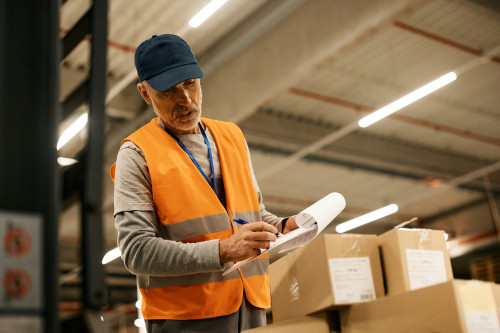
Automated conveyors, robotic arms, and driverless vehicles handle many of the heavy and repetitive tasks. Meanwhile, employees focus on supervision, quality control, and problem-solving – areas where human flexibility and judgment remain essential.
As a result, the warehouse worker’s role has evolved. Many are now operators, technicians, and coordinators all at once. The job has shifted from doing the work to managing and optimising it.
Læs også:


The Benefits of Collaboration
When people and machines work together, the results can be impressive – for both businesses and employees.
- Higher efficiency: Robots can operate continuously and precisely, while humans can adapt to unexpected situations. Together, they create a smoother workflow.
- Improved safety and wellbeing: Automation reduces heavy lifting and repetitive strain, lowering the risk of injury.
- More meaningful work: With machines handling routine tasks, employees can focus on coordination, analysis, and creative problem-solving.
- Fewer errors: The combination of sensors, data, and human oversight ensures greater accuracy in picking and packing.
However, these benefits don’t come automatically. They depend on thoughtful implementation and proper training.
Everyday Challenges
Despite the potential, the shift toward automation can be challenging.
Some workers may feel uncertain about new systems, while others experience increased pressure as machines set the pace. Technical issues can also arise, requiring quick human intervention to prevent downtime.
That’s why training and involvement are crucial. When employees understand the technology and feel ownership of the process, collaboration becomes far smoother.
Another key factor is safety. When people and machines share the same workspace, clear rules for movement, distance, and communication are essential. Modern sensors and safety systems help, but it’s still up to people to ensure those rules are followed.
Examples from Australian Warehouses
Across Australia, logistics companies are experimenting with collaborative robots – or “cobots” – to improve efficiency and safety.
At a major retail distribution centre in Sydney, cobots assist with order picking in high shelving areas. The robots navigate to the correct location, while workers handle verification and packing. The result: faster processing and fewer errors.
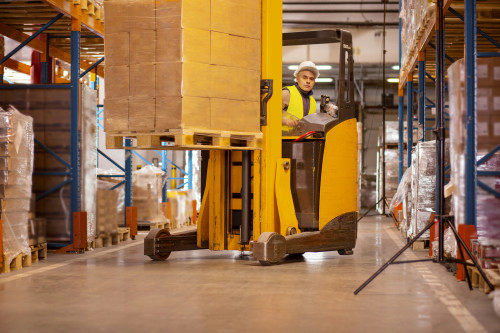
In a Brisbane logistics hub, autonomous forklifts transport pallets between zones. Human operators monitor the system, manage traffic flow, and step in when adjustments are needed. The technology hasn’t replaced staff – it has redefined their roles.
These examples show that collaboration between people and machines is not about substitution, but transformation.
The Future Warehouse: Flexibility and Learning
The evolution is far from over. Artificial intelligence, data analytics, and advanced sensors will make collaboration even more seamless.
Future systems will predict demand, adapt to real-time changes, and learn from past performance. This will require employees to understand and use data effectively – and businesses to foster a culture of continuous learning and innovation.
It’s not just about technology; it’s about people who can think and act in partnership with it.
Collaboration as a Competitive Edge
Australian companies that master the balance between human and machine collaboration will gain a strong competitive advantage. They’ll deliver faster, more accurately, and with higher quality – while maintaining a safe and engaging workplace.
The key is to view technology as a partner, not a replacement. When machines handle the repetitive and humans focus on the complex, a powerful synergy emerges that lifts the entire operation.
The warehouse of the future isn’t about choosing between people or machines – it’s about both, working together in a partnership that keeps evolving.
Læs også: