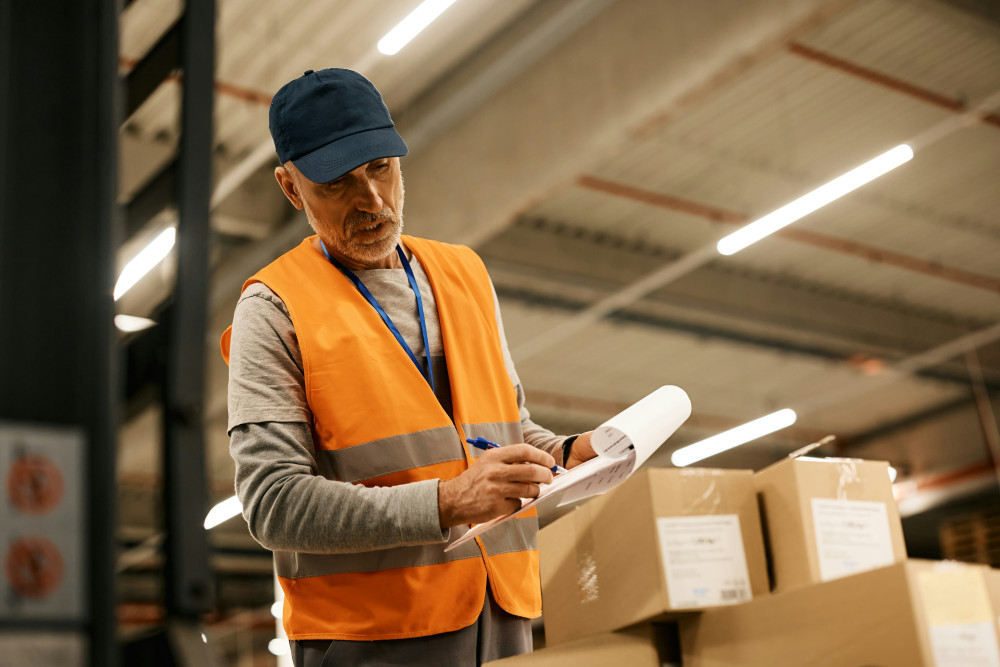
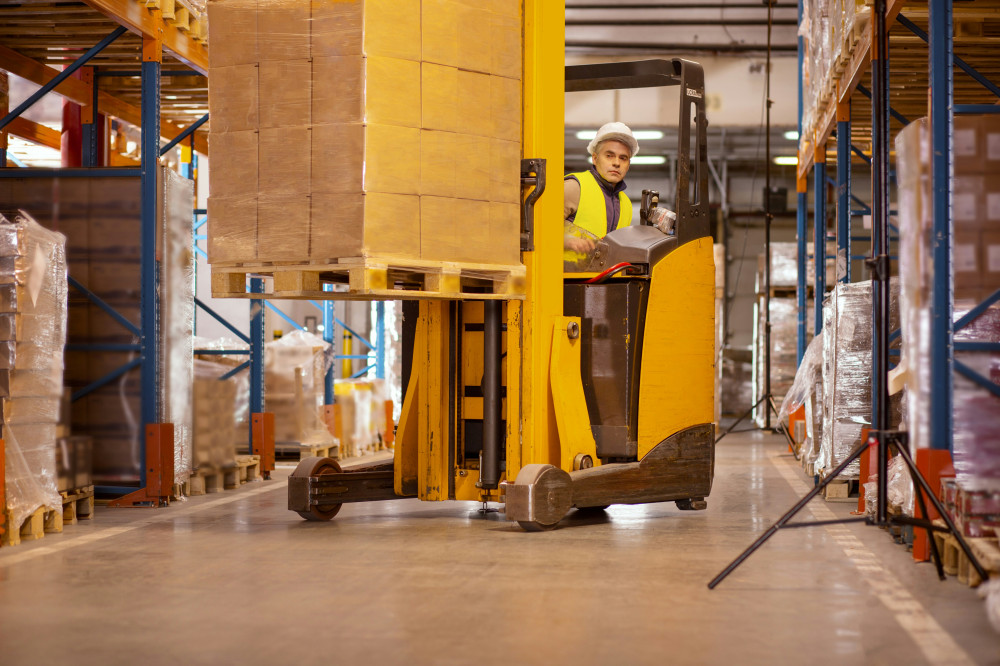
Make Safety Training Engaging – and Relevant for Warehouse Staff


Make Safety Training Engaging – and Relevant for Warehouse Staff
Safety training is part of everyday life in most warehouses – but that doesn’t mean it always feels meaningful. Many workers see it as a box-ticking exercise rather than a tool that makes their job easier and safer. Yet when safety training becomes practical, relevant, and engaging, it can strengthen wellbeing, efficiency, and teamwork across the warehouse.
Here’s how to make safety training come alive – and get everyone on board.
Start with real-life situations on the floor
The most effective safety training starts with the realities of the job. Instead of running through generic rules, begin by asking: Where are the biggest risks in our warehouse? It might be manual handling, forklift operation, working at heights, or dealing with hazardous materials.
When training is based on real situations, it’s easier for staff to relate to. Use examples from your own site, and invite workers to share what can go wrong – and how to prevent it. This builds ownership and turns safety into a shared responsibility.
Make it hands-on and interactive
Long PowerPoint sessions rarely stick. Safety is best learned through doing. Consider adding practical exercises, short competitions, or roleplays that simulate realistic scenarios.
For example:
- A “safety challenge” where teams identify hazards in a mock-up warehouse area.
- A lifting technique demo comparing incorrect and correct methods.
- A photo quiz where staff spot risks in everyday warehouse scenes.
When training is active, it’s remembered better – and it’s more enjoyable to take part in.
Involve experienced staff as role models
Experience is invaluable when it comes to safety. Many warehouse workers have developed smart habits over the years that can’t be captured in a manual. By involving experienced colleagues as trainers or “safety champions,” you can create a culture of shared learning.
It also adds credibility when advice comes from someone who knows the job firsthand – not just from a manager or external consultant.
Build a culture where people speak up
Safety isn’t only about rules – it’s about culture. If workers feel they’ll be seen as difficult for raising concerns, they’ll stay quiet, even when they notice something unsafe.
Leaders need to set the tone by showing that safety comes before speed. Recognise staff who identify hazards or suggest improvements, and treat incidents as learning opportunities rather than reasons for blame.
An open dialogue about safety makes it easier to prevent accidents before they happen.
Læs også:


Keep training continuous – not just once a year
Safety training shouldn’t be a once-a-year event. Short, regular activities help keep awareness high and good habits fresh.
Try five-minute “safety huddles” at the start of a shift, or monthly focus topics such as “forklift safety” or “housekeeping and orderliness.”
When safety becomes part of the daily routine, it takes less effort to maintain – and delivers greater results.
Track progress and celebrate success
To keep motivation strong, show that the effort pays off. Track how training affects behaviour and outcomes: Are there fewer injuries? Are hazards being reported faster?
Share positive results with the whole team, and celebrate milestones – like a quarter without incidents or a new idea that improved safety. It builds pride and reinforces that everyone’s contribution matters.
Safety as part of professional skill
When safety training is relevant, practical, and grounded in everyday work, it stops feeling like an external requirement and becomes part of professional pride.
For warehouse staff, it’s ultimately about doing the job efficiently – without compromising wellbeing. And that only happens when safety isn’t just taught, but lived.
Læs også: