Standardise cleaning equipment – and make everyday life easier for both staff and logistics

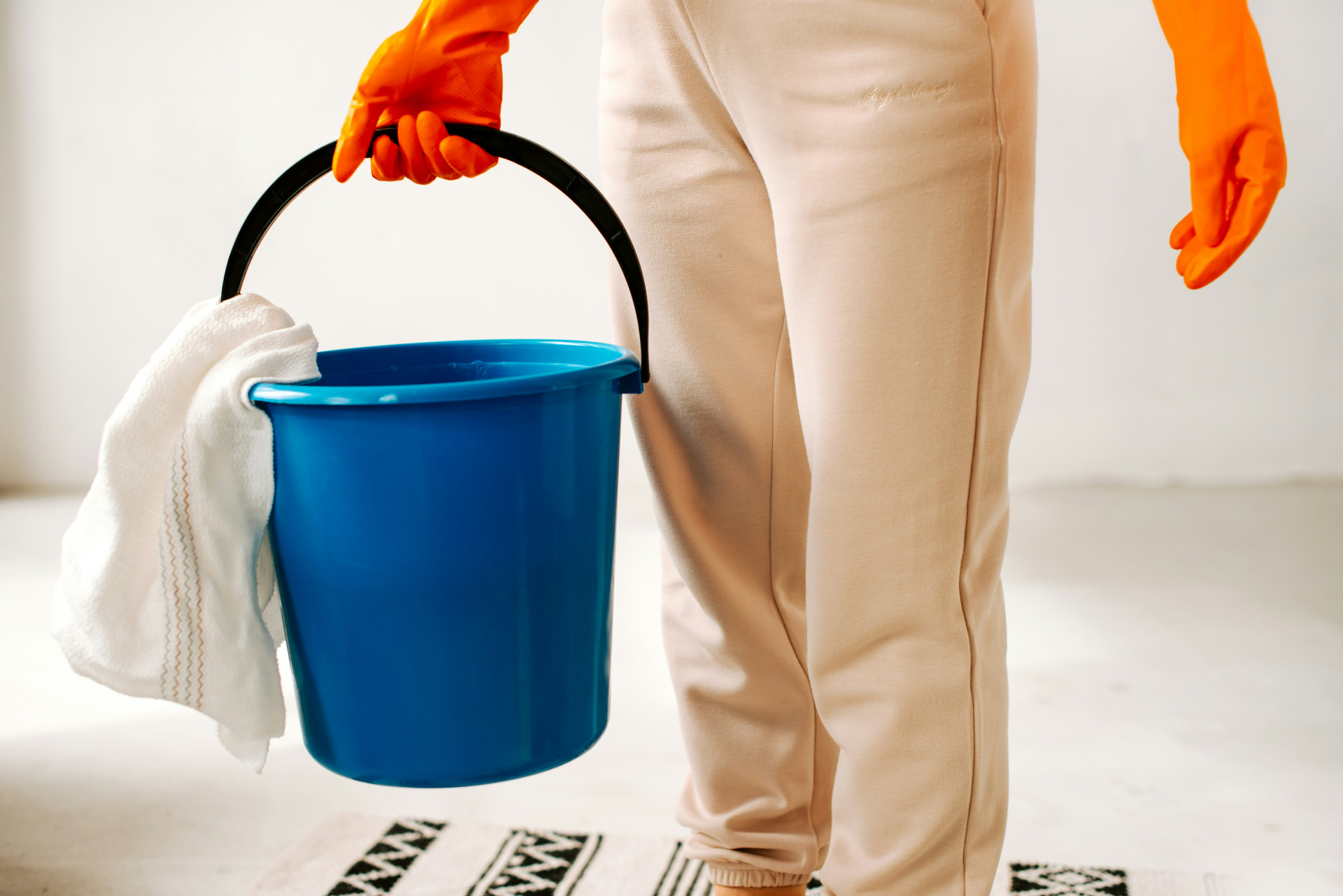
Standardise cleaning equipment – and make everyday life easier for both staff and logistics
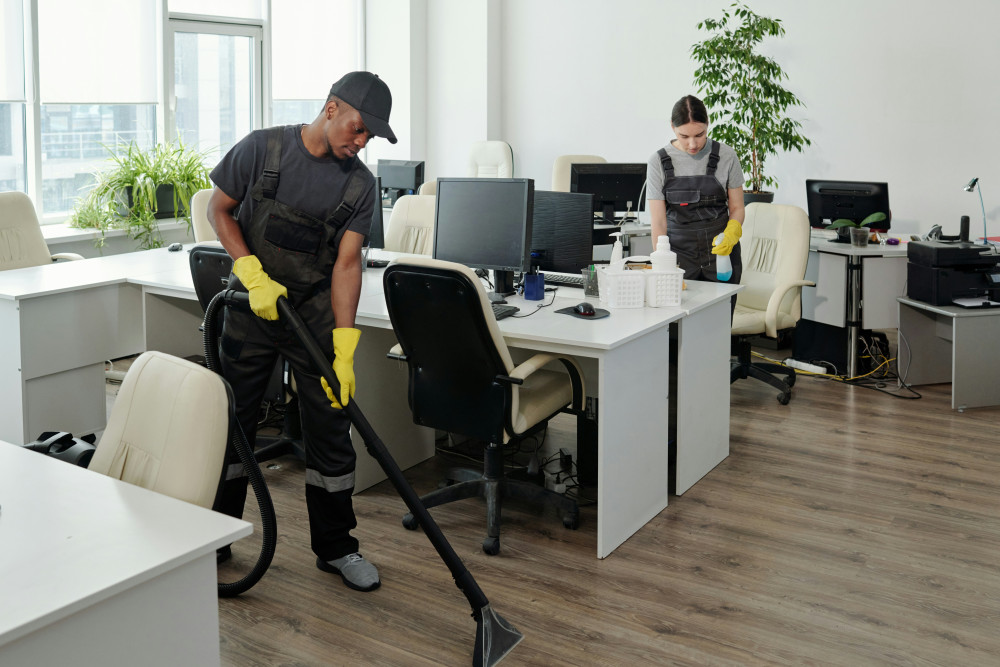
In many Australian workplaces, cleaning happens quietly in the background – yet it plays a crucial role in maintaining hygiene, safety, and efficiency. Still, it’s common to find that cleaning tools differ from site to site, with staff using various types of mops, buckets, and trolleys. These differences may seem minor, but in practice they create unnecessary complexity, wasted time, and frustration. By standardising cleaning equipment, organisations can make daily operations smoother – for both frontline staff and those managing procurement and logistics.
Why standardisation makes sense
Standardisation isn’t about limiting flexibility; it’s about creating consistent systems that make work easier. When everyone uses the same tools, training, maintenance, and replacement become far more straightforward.
- Less confusion and fewer mistakes: New staff can get up to speed quickly because the equipment is the same everywhere.
- Simpler purchasing and inventory management: Fewer product variations mean easier ordering and less risk of running out of the right supplies.
- Better ergonomics and safety: When equipment is chosen with user comfort in mind, it ensures consistent quality and helps prevent strain injuries.
- Consistent cleaning results: Using the same tools and methods leads to predictable, high-quality outcomes – no matter who performs the task.
In short: standardisation brings calm and clarity to everyday work, freeing up time for what really matters – the cleaning itself.
How to approach standardisation
Standardising cleaning equipment takes planning and collaboration. It’s not just about picking one brand or one type of mop, but about finding solutions that fit your organisation’s needs.
- Map out current equipment. Start by identifying what’s being used across all sites. You’ll often find multiple versions of the same product.
- Involve the cleaning staff. Those who use the tools daily know best what works. Run trial periods to test different options in real conditions.
- Choose equipment based on function and durability. The cheapest option isn’t always the most cost-effective. Ergonomic handles or high-absorbency mops can save time and effort in the long run.
- Create a clear standard list. Once decisions are made, document them. A simple list with images, product codes, and suppliers makes ordering easy and consistent.
- Review and adjust regularly. Standardisation isn’t a one-off project. Evaluate whether the equipment still meets your needs and whether new products could improve performance.
Benefits for logistics and cost efficiency
When cleaning equipment is standardised, logistics become much simpler. Procurement teams can consolidate orders, negotiate better prices, and reduce stock levels. It also becomes easier to track usage and minimise waste.
For organisations operating across multiple sites – such as hospitals, schools, or commercial facilities – standardisation allows equipment to be shared or transferred between locations without compatibility issues. This flexibility reduces emergency orders and downtime.
Suppliers also benefit from knowing your standards. They can deliver faster, provide more accurate advice, and help you maintain consistent quality across all operations.
Læs også:
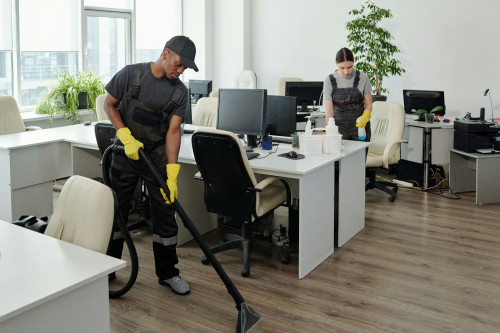


Staff as ambassadors
Successful standardisation depends on staff engagement. When employees see that equipment has been chosen with their comfort and efficiency in mind, they become strong advocates for the change.
It can be helpful to appoint “champions” or “super users” in each team who can support colleagues, demonstrate correct use, and provide feedback to management. This approach turns standardisation into a shared effort rather than a top-down directive.
An investment in quality and wellbeing
Standardising cleaning equipment isn’t just a logistical decision – it’s an investment in quality, wellbeing, and professionalism. When everyone works with the same reliable tools, it builds a shared sense of pride and consistency in the results delivered.
Ultimately, it makes everyday life easier – for staff, for logistics, and for the entire organisation.
Læs også: