Sound, Light and Air: The Path to a Healthy and Productive Workplace

Sound, Light and Air: The Path to a Healthy and Productive Workplace
A great workplace isn’t just about ergonomic chairs and fast Wi-Fi. It’s equally about the invisible factors that shape how we feel and perform every day – sound, light and air. These three elements form the foundation of a healthy and productive office, where people can focus, collaborate and thrive. But how do you get them right? Here’s a guide to creating a workspace that supports wellbeing and performance through the senses.
Sound: From Noise to Focus
Noise is one of the biggest sources of stress and distraction in modern offices. Open-plan layouts, phone calls, printers and casual conversations can quickly create a soundscape that makes it hard to concentrate.
To create a more comfortable acoustic environment, you can:
- Use sound-absorbing materials such as acoustic panels, carpets and curtains to reduce echo and background noise.
- Design activity zones – quiet areas for focused work and livelier zones for collaboration.
- Consider background sound – gentle ambient noise or “white noise” can sometimes help mask disruptive sounds.
- Offer flexibility – allow remote work or access to quiet rooms when deep focus is needed.
Good acoustics aren’t about total silence – they’re about balance. Sound should support work, not hinder it.
Læs også:

Light: Energy and Focus Throughout the Day
Light affects our mood, energy and body clock. Too little or poorly designed lighting can lead to fatigue, headaches and reduced efficiency. In Australia, where natural light is abundant, it’s important to use it wisely while managing glare and heat.
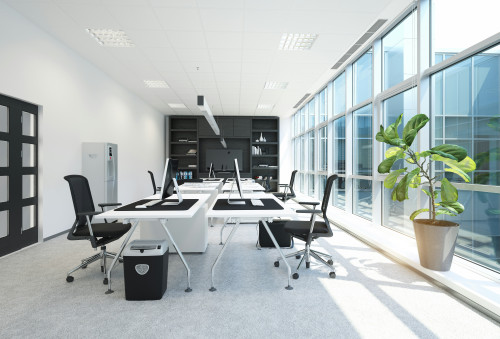
- Maximise natural light – position desks near windows, but use blinds or shades to control glare and direct sunlight.
- Add adjustable artificial lighting – LED fixtures with dimming and colour temperature control allow flexibility throughout the day.
- Avoid reflections and glare – matte surfaces and well-placed lighting reduce eye strain.
- Tailor lighting to tasks – meeting rooms, breakout spaces and workstations all benefit from different lighting levels.
A well-lit environment boosts both wellbeing and productivity. The key is variety and the ability to adapt light to the time of day and the task at hand.
Air: The Invisible Essential
Air quality is often overlooked, yet it has a major impact on health and concentration. Poor ventilation can cause headaches, fatigue and lower performance – and in the long run, increase sick leave.
To ensure fresh air in the workplace:
- Maintain good ventilation – through modern HVAC systems or by opening windows when possible.
- Keep temperature stable – between 21 and 24 degrees Celsius is comfortable for most office environments.
- Add indoor plants – they can help improve air quality and create a more pleasant atmosphere.
- Avoid unnecessary chemicals – choose low-emission cleaning products and materials.
A healthy indoor climate might not be visible, but it’s felt in the energy and engagement of the people who work there.
The Whole Picture: When the Senses Work Together
Sound, light and air interact. A space with good acoustics, natural light and fresh air simply feels better to be in. That’s why it’s important to think holistically when designing or refurbishing offices.
Involve employees in the process. They know where the challenges are, and their feedback can help create solutions that truly work in daily life.
Investing in Wellbeing – and Performance
A healthy workplace isn’t just about comfort – it’s a smart business decision. Research shows that employees who feel well physically and mentally are more productive, take fewer sick days and are more loyal to their organisation.
By prioritising sound, light and air, you’re not just creating a better place to work – you’re building an environment where people can do their best work and feel good doing it.
Læs også: